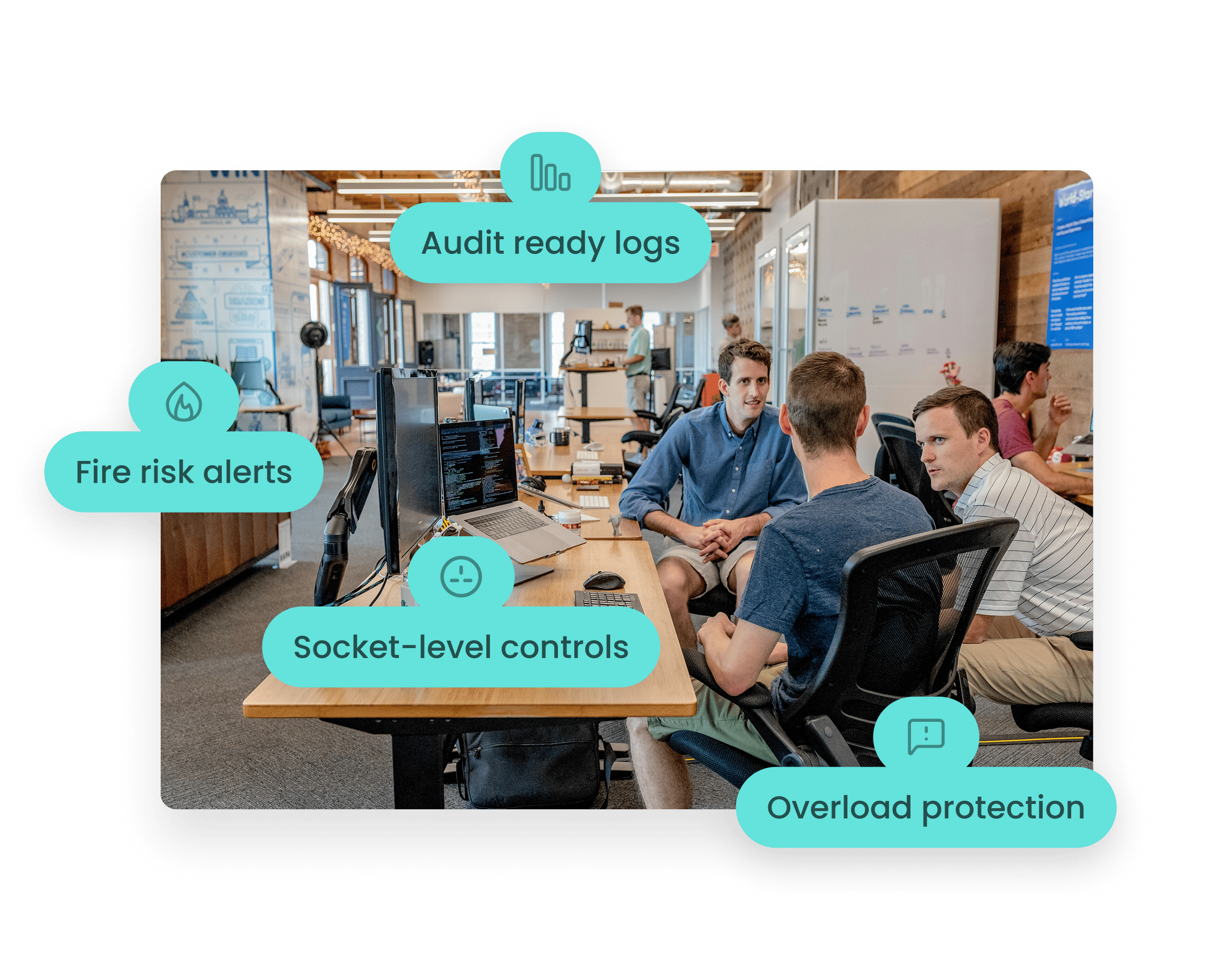
Electrical Risk. Controlled at the Socket.
Electrical appliances are one of the most common sources of fire risk and operational disruption in commercial buildings. Yet plug-load infrastructure remains one of the least governed parts of the electrical estate.
measurable.energy delivers continuous, appliance-level monitoring and automated control — helping reduce fire exposure, prevent overloads, and strengthen electrical governance across your portfolio.
Understanding Plug Load Risk
Plug loads are dynamic by nature. Portable heaters, kitchen equipment, chargers, temporary site equipment and legacy appliances are frequently introduced, moved or replaced — often without formal oversight.
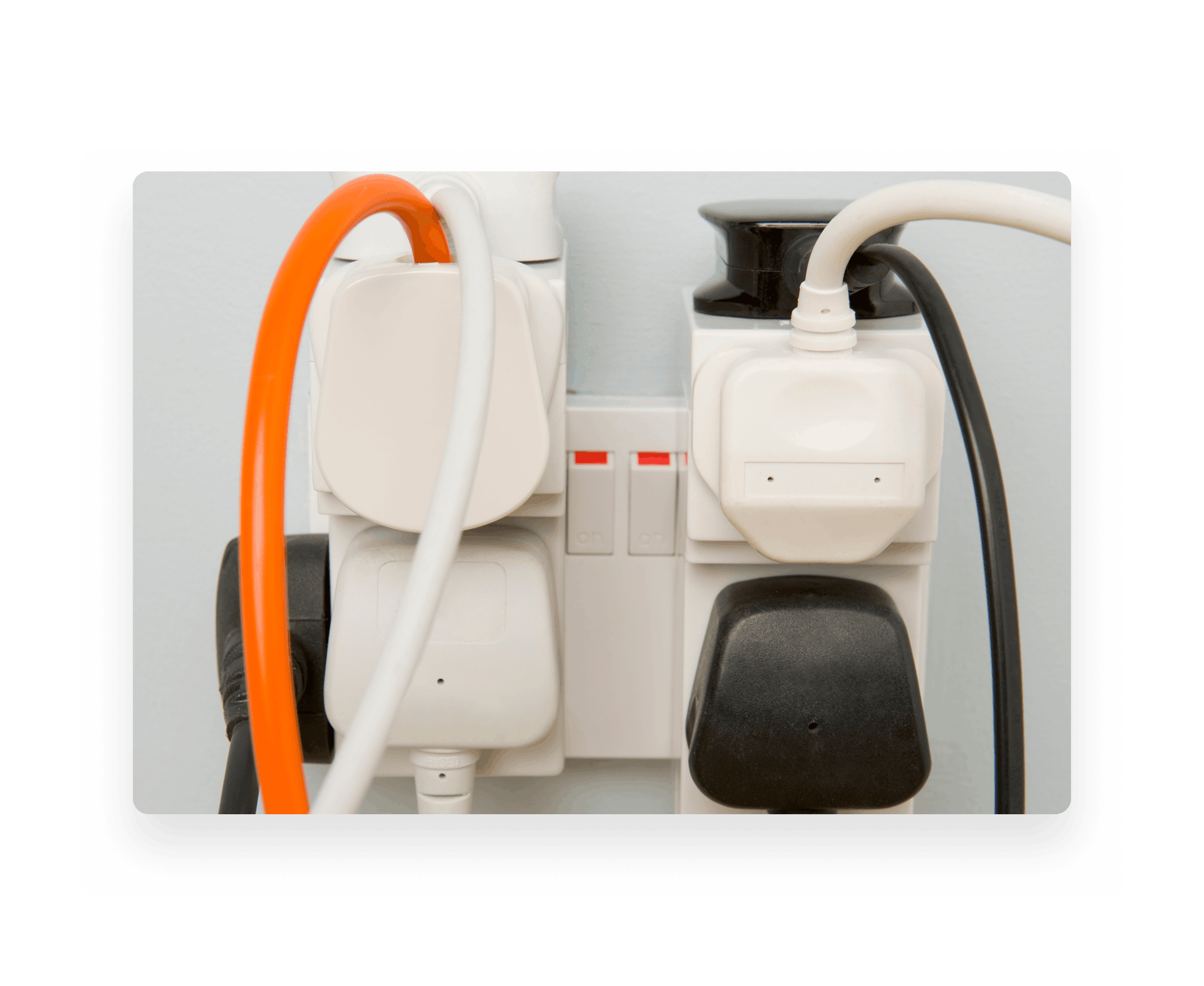
Unlike HVAC or lighting systems, plug-level infrastructure typically operates outside structured monitoring processes. Common risk factors include:
- Overloaded sockets or extension leads
- High-draw appliances connected to unsuitable circuits
- Equipment left running out of hours
- Faulty or deteriorating appliances
- Informal additions to existing electrical infrastructure
For estates and facilities teams, the consequences go beyond inconvenience, ranging from fire exposure and operational disruption to regulatory and insurance pressure.
Effective management requires more than periodic inspections. It needs continuous, appliance-level visibility.
Continuous Appliance-Level Oversight
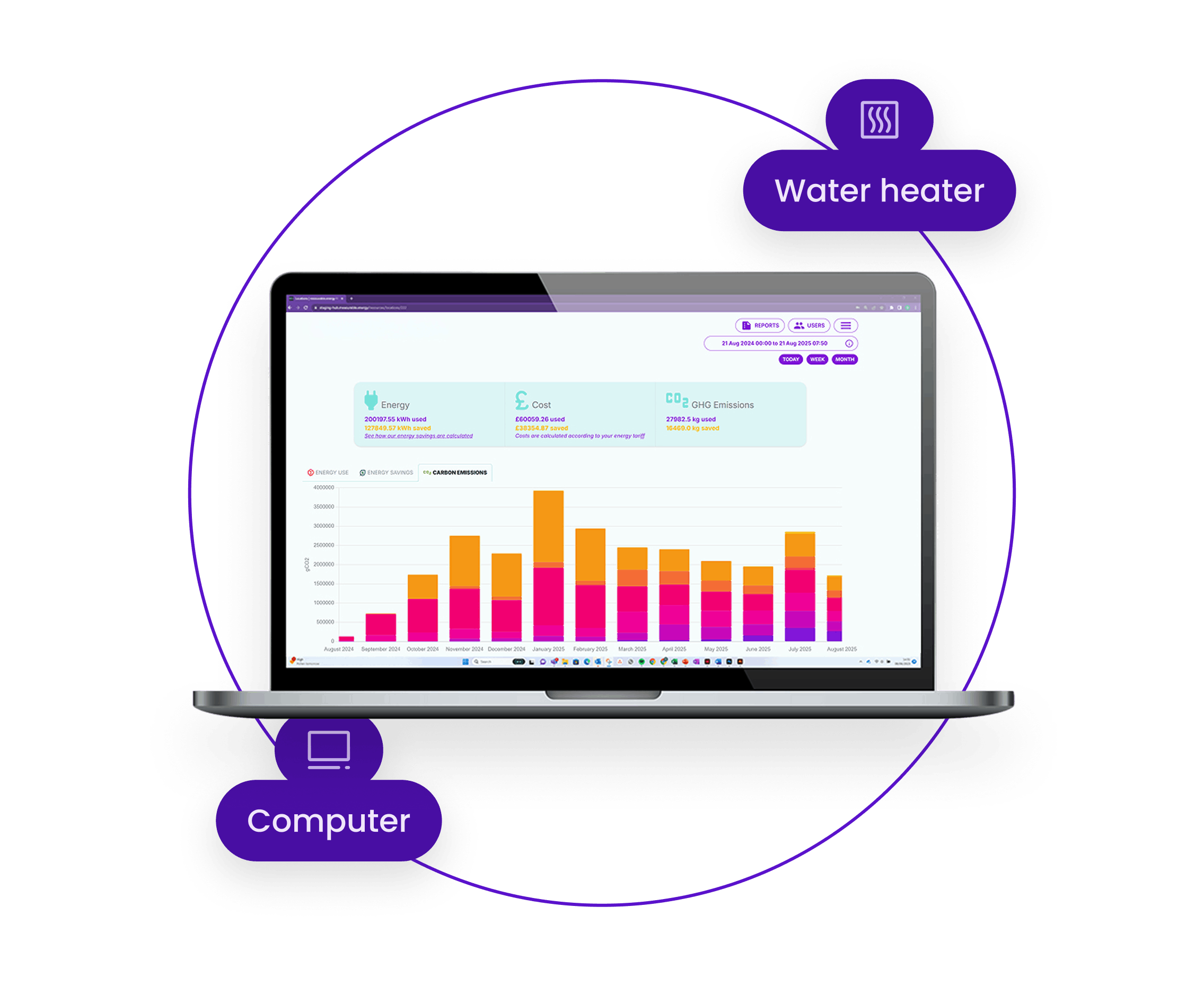
measurable.energy monitors individual sockets in real time, creating a live operational view of plug load activity across your buildings and sites.
Each connected appliance is assessed for load behaviour, usage patterns and abnormal consumption — enabling early intervention before issues escalate, supporting:
- Early Identification of emerging overload conditions
- Monitoring of high-draw or heat-generating appliances
- Real-time alerts for when activity falls outside normal patterns
- Time-stamped audit trails to strengthen governance and reporting
Because control operates at socket level, potential issues can be isolated without disrupting wider systems.
Risk management becomes continuous, evidence-based and embedded in daily operations.
Strengthening Organisational Risk Control
Structured visibility of plug load infrastructure contributes to a more defensible risk posture.
Facilities teams gain clearer documentation of appliance behaviour, improved traceability and stronger internal accountability when issues arise, supporting:
- More defensible fire risk management processes
- Clearer documentation for compliance and audit readiness
- Faster investigation with time-stamped activity history
- Stronger internal governance and accountability when issues arise
Safety oversight becomes embedded within daily operational management rather than confined to periodic inspections.
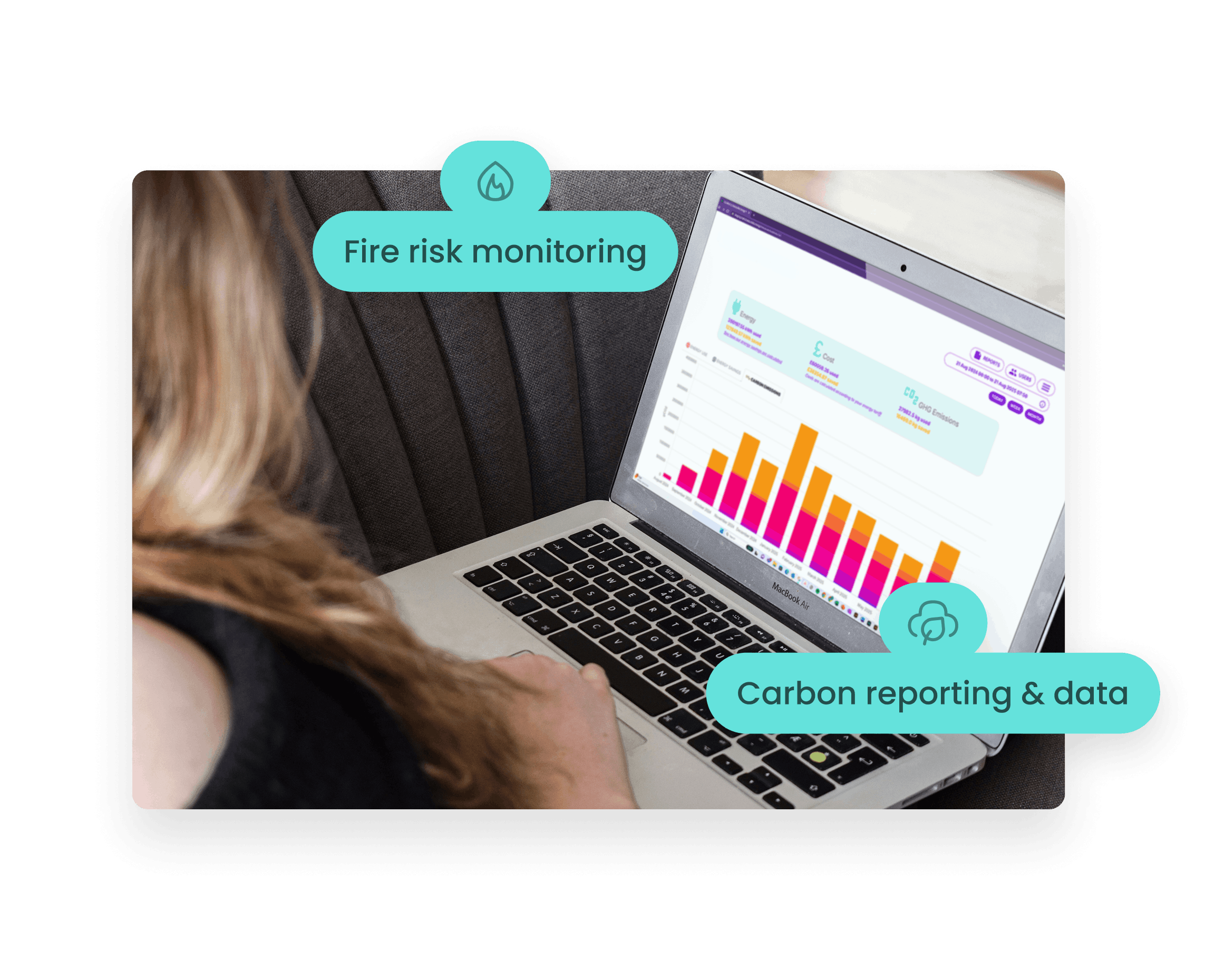
Gain a unified view of energy optimisation, occupancy insight and electrical governance within a single platform.