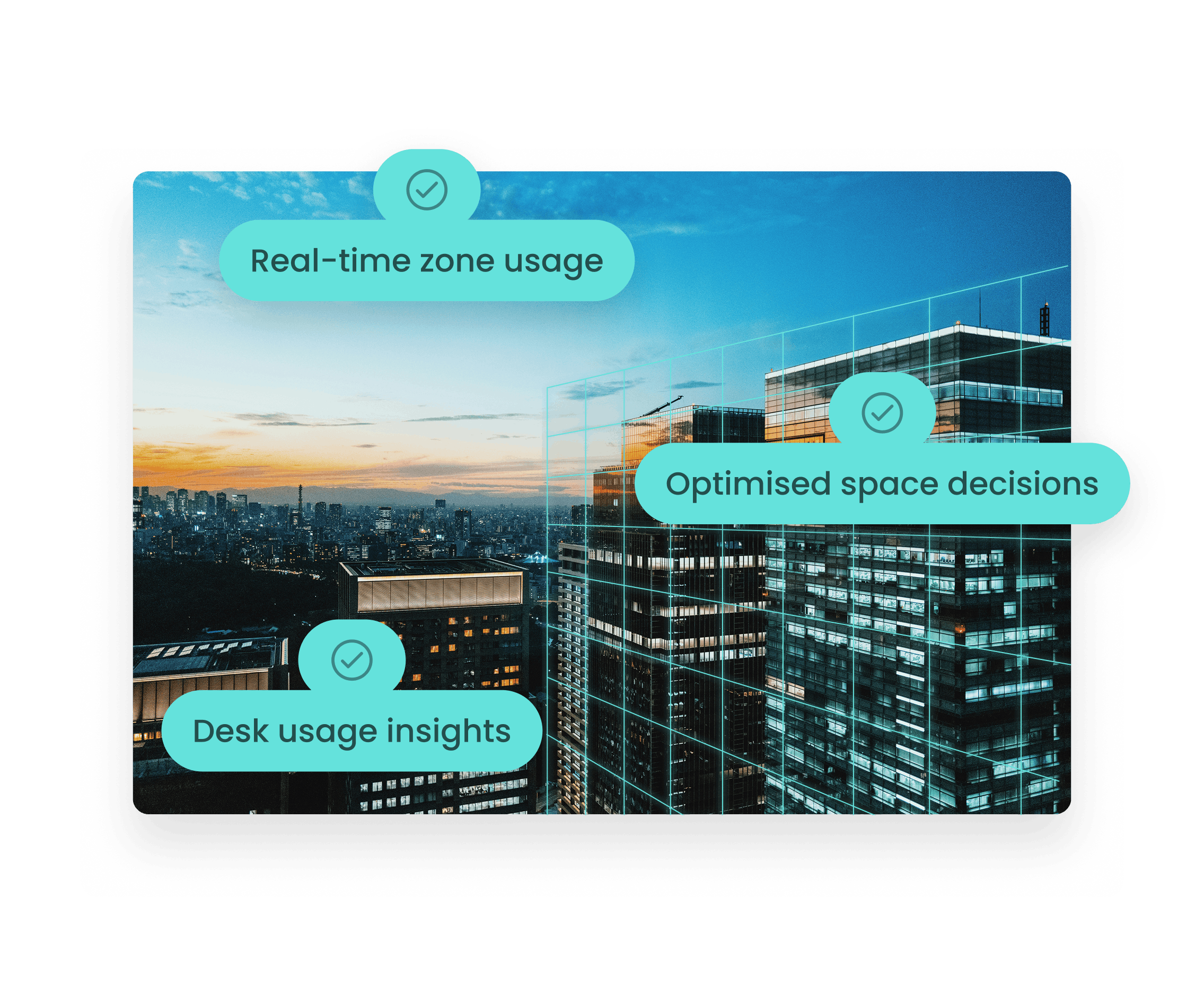
Turn Real Usage Data Into Smarter, Leaner Buildings
Most occupancy systems measure movement. measurable.energy measures real usage.
By analysing appliance-level activity, we reveal how desks, rooms and zones are actually being used, not just whether someone walked through them. The result: clearer decisions on space, servicing, energy demand and hybrid strategy — without installing a single additional sensor.
Rethinking What ‘Occupancy’ Really Means
Traditional occupancy systems rely on motion sensors, access control data, and desk booking platforms. Whilst these tools indicate presence, they don’t measure real desk utilisation, equipment demand or energy impact.
A room can register as “occupied” while most desks sit idle. A desk can show movement without meaningful utilisation. True operational insight requires understanding of:
- What equipment is active
- When it is active
- How consistently it is used
- The associated energy demand
True space and asset optimisation connects behavioural patterns with measurable energy demand — creating a more accurate view than occupancy signals alone.
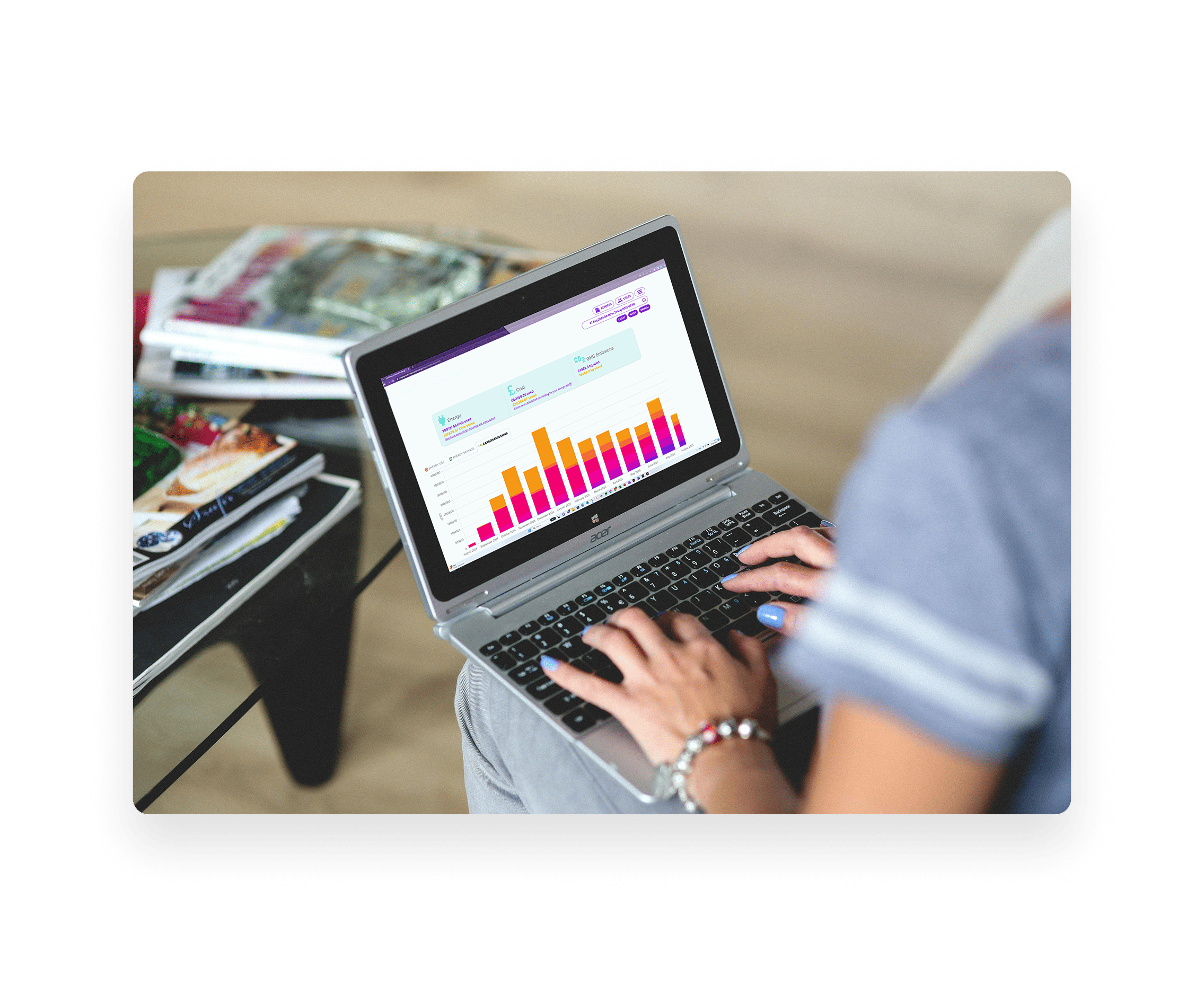

Desk-Level Intelligence - Without New Hardware
measurable.energy derives occupancy patterns directly from real appliance usage. When connected appliances such as monitors, heaters, or kitchen equipment draw active power above standby levels, the desk is classified as in use; when only standby load is detected, the desk is classified as inactive.
This creates a time-stamped view of:
- Real-time desk utilisation insight patterns
- Zone-level intensity of use
- Time-of-day and day-of-week demand trends
- Clear visibility of out-of-hours activity
This intelligence is generated from existing smart socket infrastructure. No additional sensors. No battery replacements. No ceiling installs. No space redesign constraints.
With measurable.energy already deployed, that additional spend becomes unnecessary. Appliance-level intelligence is delivered through existing smart socket infrastructure at £21 per unit per year — a cost that is quickly recovered through energy savings alone.
Turn Underused Space into Measurable Value
Occupancy data becomes valuable when it informs action. By linking space usage directly to energy demand, organisations move from assumption to evidence.
The commercial impact extends beyond energy savings, to unlock significantly higher value per desk than energy reduction alone.
Smarter Facilities Scheduling
Cleaning and servicing aligned to desk and room actual use, improving resource allocation and reducing unneccessary visits.
Demand-Aligned Energy Strategy
Energy consumption can be adjusted in line with real behavioural patterns, reducing wasted energy while maintaining comfort.
Evidence-Based Space Rationalisation
Persistently underused desks and zones can be identified with confidence, supporting consolidation, redesign or lease optimisation.
Hybrid Working Clarity
Workplace strategies guided by observable usage trends rather than anecdotal feedback.
Gain a unified operational view of how your buildings truly function, from desk to portfolio.