
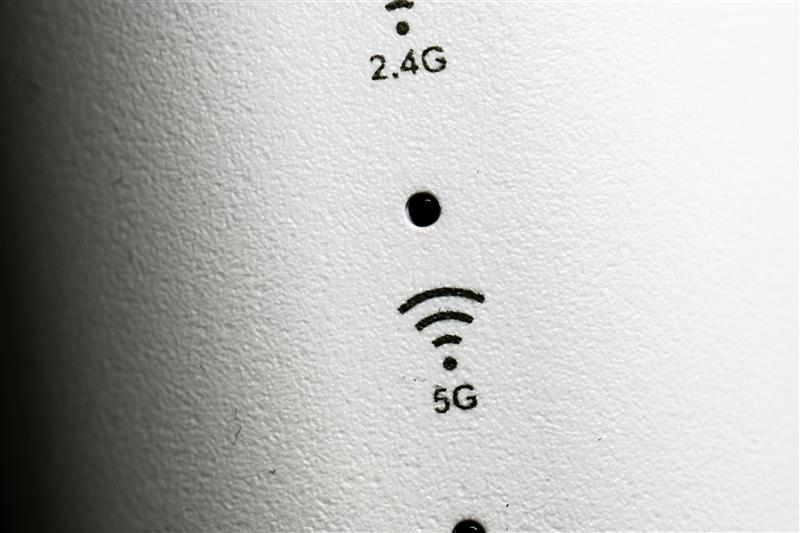
When it comes to Wi-Fi, one size doesn’t always fit all. You’ve probably seen 2.4 GHz and 5 GHz options on your network, but knowing which to use (and when) can make all the difference in performance and reliability. At measurable.energy, our smart sockets and controls are designed to connect seamlessly no matter how your network is set up. Here’s a quick guide to when 2.4 GHz or 5 GHz might work best and how our upcoming updates will make your setup even more flexible.
When 2.4 GHz Works Best
The 2.4 GHz band has been around for decades and for good reason.
It offers longer range and better penetration through walls, floors, and solid materials, making it ideal for:
- Larger spaces like offices, warehouses, or retail stores
- Devices spread out across a building (like sockets, sensors, and switches)
- Low-data applications that need steady connectivity rather than high speed
Because our sockets use minimal data to communicate energy readings and status updates, 2.4 GHz provides the perfect balance of reliability and coverage, ensuring that devices stay connected even when they’re at the edge of your network.
When 5 GHz Shines
5 GHz, on the other hand, delivers faster data rates with less interference, but over shorter distances.
It’s the better choice when you need:
- High-speed performance for streaming, video calls, or large file transfers
- Dense network environments with many devices competing for bandwidth
- Modern equipment clustered within the same room or area
As 5 GHz becomes standard across enterprise and commercial networks, our upcoming product update will enable m.e. sockets to connect via 5 GHz too, giving you even more flexibility to design your network the way you want it.
Designed to Support Both
At m.e, we design our sockets and controls to work around you, not the other way around. Our upcoming dual-band compatibility ensures your system runs smoothly on whichever Wi-Fi band fits your environment best. It’s all part of our commitment to making energy management simple, stable, and ready for the future.
