
How St Peters School Achieved Up to 40% Energy Savings with Automated Smart Sockets
The Challenge: Wasted energy despite Best Intentions
St Peters Primary School in South Weald faced a problem familiar to many. Despite heavy investments in renewable energy infrastructure, including 120 solar panels and heat pumps for the swimming pool, energy was still being wasted on a daily basis.
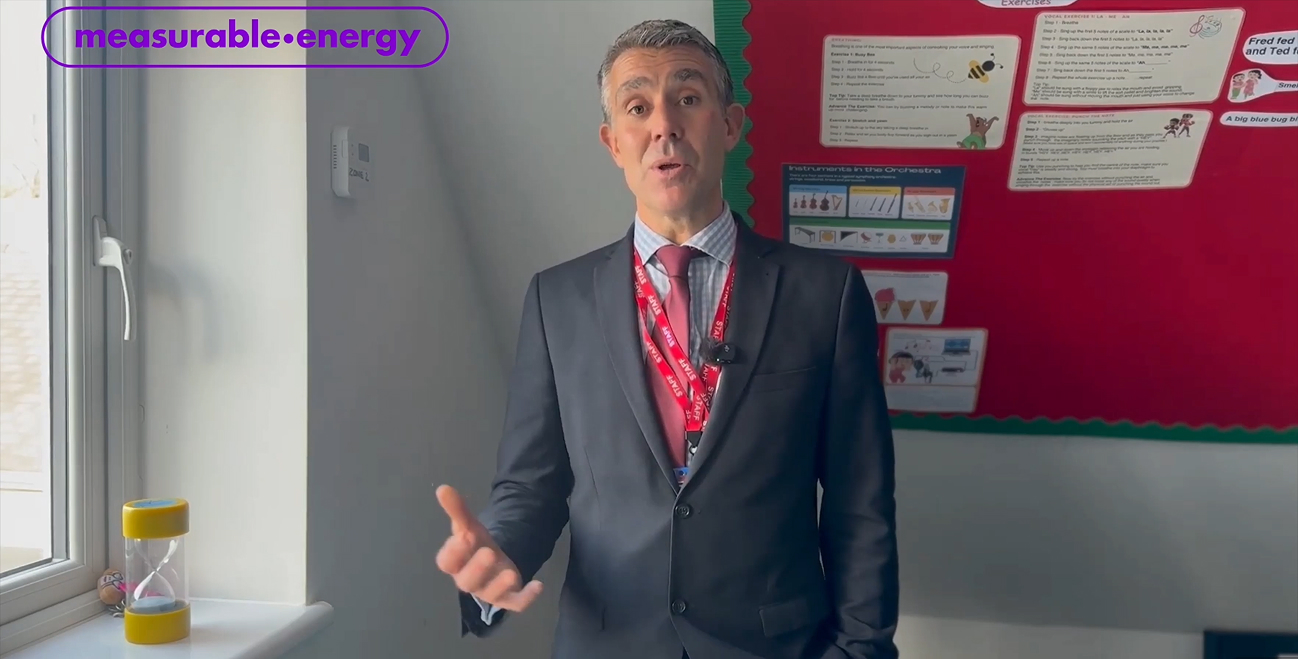
"I'd come in on a Saturday and notice that people had left screens on in the classrooms," explains Iain Gunn, Head Teacher at St Peters. "We've got a computer suite. I could say to people turn off all the computers on a Friday night. It'll happen for a little bit and then it kind of dies off again."
The issue wasn't a lack of commitment from staff. Teachers were busy, and human nature meant that computers, screens, and water heaters were regularly left running overnight and throughout the weekends. For Iain, this wasn’t just wasted energy, it was a budget wasting away at a time when every penny matters.
The Diocese of Chelmsford, which oversees 140 schools across the region, recognised this wasn't an isolated problem. Peter Palmer, who manages capital finance and land matters for the schools, was looking for solutions that could help reach the Church of England's 2030 carbon reduction targets, whilst also looking to lessen the financial pressures schools face.
"With the budgets the way they are within education at the moment, the quick wins are reducing our energy costs."
Peter Palmer, Diocese of Chelmsford
The Solution: AI-powered control that works automatically
After discovering Measurable Energy at the Futurebuild event in London, Peter identified it as a product that could quickly bring results. The concept was straightforward: smart sockets that use AI to identify devices and automatically control when they're powered on and off.
St Peters was selected as one of three pilot schools to trial the technology. What appealed to Iain was the flexibility of the system. Each socket could be controlled independently, with one outlet set to get constant power whilst the other runs on a timer. This meant essential equipment could stay on whilst non-essential devices were automatically shut down outside of school hours.
"What I particularly like about them is how easy they are to use," says Iain. "If you've got a double plug, you can have one constantly on and then one on a timer so that each of the separate plug sockets can be controlled completely independently."
The installation was straightforward. Sockets were placed in classrooms, the IT suite, and throughout the school. The system was programmed to turn devices off at 6pm and back on at 7am, with flexibility built in for special events like parents' evenings or weekend activities.
Key features that made the difference
The sockets include LED indicators that show when the school is running on renewable energy from their solar panels. This created an unexpected educational benefit, with children beginning to understand the connection between weather conditions and energy production.
"The children are starting to notice when the lights are green and the lights are red," Iain notes. "They're starting to ask, could we do our IT lessons in the afternoon when it's sunnier rather than in the morning?"
The portal made management simple. The school could schedule sockets up to a year in advance, setting specific days when certain areas needed power outside normal hours, such as when first aid groups use the hall on Saturdays.
The Results: Significant savings with zero disruption
Key Results:
- £7,000-£8,000 in annual energy cost savings
- 18-month payback period on the initial investment
- 25-40% reduction in energy costs across pilot schools
- Zero disruption to daily operations
Within weeks of installation, St Peters could see their electricity bills coming down. Photocopiers, computers, and water heaters were no longer consuming power unnecessarily outside of school hours.
"In under two years the cost of the socket will be paid for. They're going to be saving me about £7,000 or £8,000 a year as a conservative estimate, which is amazing."
Iain Gunn, Head Teacher, St Peters School
Remarkably, staff barely noticed the change. "What I would say for the staff, none of them have noticed. And that's probably the best thing that you could say," explains Iain. "They go off at 6pm in the evening and they come back on at 7am in the morning. They just don't have to do it now."
For the Diocese, the pilot proved successful enough to warrant a wider rollout. Peter Palmer confirmed plans to extend the technology to their additional 35 voluntary aided schools using SCA (School Condition Allocation) funding.
The solution also addressed an often-overlooked safety concern. By preventing socket overloading, particularly in IT suites where multiple devices are plugged in, the system provided peace of mind alongside the energy savings.
"It also saves the overloading of multiple plug sockets, certainly where the IT suites are. We can just automatically turn them off at the end of the day. And we also know that they're safe and not being overloaded."
Peter Palmer, Diocese of Chelmsford
Beyond Energy: Creating educational opportunities
A surprising benefit actually came from the visual feedback the sockets provide. The eco-committee at St Peters, comprising year 6 students including James, Sebastian, Primrose, and Hattie, embraced the technology as part of their environmental work.
"I like being on the eco committee because I can make a difference and benefit the school," says Hattie. "It also gives me a sense of pride and achievement that I'm helping the environment and inspiring others."
The students check the sockets throughout the day and have come to understand what the different coloured lights represent. This has sparked conversations about renewable energy and fossil fuels that go far beyond what a traditional classroom lesson might achieve.
Advice for other schools and organisations
When asked what advice he would give to other schools or organisations considering similar technology, Iain's response was clear: "It's an easy win. You see the immediate results and it's just as easy as literally switching the plug sockets."
His recommendation for getting the most from the system is to plan ahead. "Sit down with your yearly planner and then just put in all your events that are coming up like parents evenings. They're all set in place so that if you need the power on at the weekends or after 6pm, it will all be done and you haven't got to try and remember it at the last minute."
Peter Palmer echoed this sentiment from the diocesan perspective. "It's been a good project for us. We've seen immediate results. The head teachers have certainly welcomed the savings that we've seen already."
For St Peters, the savings represent more than just extra cash. As Iain puts it: "That's kind of half a learning support teacher, which does start to make a difference. And then that difference we can pass on to the children to make their experience even better."
Looking to reduce your energy costs by 25-40%?
St Peters School achieved significant energy and cost savings with minimal disruption to their daily operations. If you're looking to stop wasting energy in your buildings, our team of experts can help you understand what's possible for your organisation.
